Moisture at Floor or Lower Wall
2011-11-29
To properly define and remedy a floor moisture problem, the type of floor structure, flooring (carpet, wood, vinyl), and specific circumstances surrounding the problem must all be considered. There are many different combinations and potential considerations. This discussion will present only a few potential causes of floor moisture problems in a Florida home.
WOOD FLOORING AND VAPOR DRIVE THROUGH SLAB ON GRADE
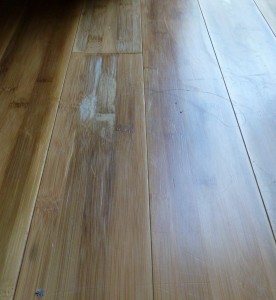 A common cause of damage to wood flooring in Florida homes with a concrete slabs on grade is vapor drive (or diffusion). Water vapor moves from areas of higher temperature and vapor pressure towards areas of lower temperature and vapor pressure. Vapor drive is the diffusion of moisture from the soil beneath the slab through the concrete slab in the form of a gas or vapor. If unimpeded, this vapor is dispersed to the interior atmosphere. However, a polyurethane finish (common with modern wood floors) and impermeable mats on the floor's surface act as vapor retarders which trap moisture in the wood sometimes resulting in stains or warping.
Vapor retarders are sometimes placed between the slab and the wood flooring to prevent moisture vapor from reaching the wood. In addition, the current FBC requires that a vapor retarder be placed beneath a concrete slab on grade prior to concrete placement. However, this was not always provided in older homes. In addition, breaks in the vapor retarder, such as at laps, slab edges and around plumbing penetrations, etc. may allow moisture to reach the slab.
Many wood flooring manufacturers require that concrete slabs be tested for moisture vapor transmission rates to determine whether or not the slab is suitable for their flooring. Some manufacturers state in writing that all concrete slabs to receive their flooring should have a minimum 6 mil poly film between the ground and the concrete. This is consistent with current FBC requirements mentioned above.
VINYL AND CARPET FLOORING OVER A CONCRETE SLAB ON GRADE
Vapor drive through slabs covered with vinyl (linoleum) flooring is restricted by the vinyl itself, which acts as a vapor retarder. While vinyl is not generally susceptible to moisture damage, the adhesive used to secure it to the slab may be adversely affected by moisture. This is particularly true in older or latex based adhesives, which are often more susceptible to the wet alkaline environment expected under such conditions.
Carpeting may also be affected by vapor drive, particularly when an impermeable mat (such as in front of a door or beneath a chair) is placed over it. Over time, moisture from vapor drive through the slab builds in the carpet beneath the mat. When the mat is removed, the previously covered carpet may be damp and emit an odor.
GROUNDWATER SEEPAGE AT EXTERIOR WALL
Groundwater seepage into the interior of a home is not uncommon in Florida's environment. The water path may be the interface between the top of a footing/slab and the bottom of the exterior wall. A sketch of CMU over monofooting construction may be found here. Groundwater seepage usually manifests itself near perimeter exterior walls as stains at the lower wall or baseboard, wet carpet, stains or warping of wood flooring, water on the floor itself, or a combination of these.
A common cause of damage to wood flooring in Florida homes with a concrete slabs on grade is vapor drive (or diffusion). Water vapor moves from areas of higher temperature and vapor pressure towards areas of lower temperature and vapor pressure. Vapor drive is the diffusion of moisture from the soil beneath the slab through the concrete slab in the form of a gas or vapor. If unimpeded, this vapor is dispersed to the interior atmosphere. However, a polyurethane finish (common with modern wood floors) and impermeable mats on the floor's surface act as vapor retarders which trap moisture in the wood sometimes resulting in stains or warping.
Vapor retarders are sometimes placed between the slab and the wood flooring to prevent moisture vapor from reaching the wood. In addition, the current FBC requires that a vapor retarder be placed beneath a concrete slab on grade prior to concrete placement. However, this was not always provided in older homes. In addition, breaks in the vapor retarder, such as at laps, slab edges and around plumbing penetrations, etc. may allow moisture to reach the slab.
Many wood flooring manufacturers require that concrete slabs be tested for moisture vapor transmission rates to determine whether or not the slab is suitable for their flooring. Some manufacturers state in writing that all concrete slabs to receive their flooring should have a minimum 6 mil poly film between the ground and the concrete. This is consistent with current FBC requirements mentioned above.
VINYL AND CARPET FLOORING OVER A CONCRETE SLAB ON GRADE
Vapor drive through slabs covered with vinyl (linoleum) flooring is restricted by the vinyl itself, which acts as a vapor retarder. While vinyl is not generally susceptible to moisture damage, the adhesive used to secure it to the slab may be adversely affected by moisture. This is particularly true in older or latex based adhesives, which are often more susceptible to the wet alkaline environment expected under such conditions.
Carpeting may also be affected by vapor drive, particularly when an impermeable mat (such as in front of a door or beneath a chair) is placed over it. Over time, moisture from vapor drive through the slab builds in the carpet beneath the mat. When the mat is removed, the previously covered carpet may be damp and emit an odor.
GROUNDWATER SEEPAGE AT EXTERIOR WALL
Groundwater seepage into the interior of a home is not uncommon in Florida's environment. The water path may be the interface between the top of a footing/slab and the bottom of the exterior wall. A sketch of CMU over monofooting construction may be found here. Groundwater seepage usually manifests itself near perimeter exterior walls as stains at the lower wall or baseboard, wet carpet, stains or warping of wood flooring, water on the floor itself, or a combination of these.
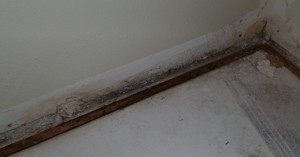 Interior water intrusion around perimeter walls is often related to the height of the exterior soil relative to the interior slab surface. If the soil or planter mulch against the exterior wall is higher than or close to the interior floor surface elevation, groundwater, especially during rainy periods, is more likely to affect the interior. This problem may be exacerbated by an improper slope of the adjacent exterior grade. The FBC, Residential states: "Lots shall be graded so as to drain surface water away from foundation walls." Sprinkler heads directed toward a wall are another common source of moisture intrusion through exterior walls.
PLUMBING PIPE LEAK BELOW SLAB
Plumbing pipes are often installed below a concrete slab prior to concrete placement. Leaks at supply pipes (commonly made from copper and CVPC) may occur for reasons including improper original installation, stresses on the pipe due to slab settlement, corrosion or deterioration, etc. Corroded and leaking copper pipes are more likely to occur when the copper is in direct contact with concrete.
A leaking supply pipe beneath a slab may drain into the surrounding soil and not give indications of its presence, particularly if it is a slow leak. The only indication of the problem may be a higher water bill or a well pump that runs more than normal. In other cases, moisture problems develop at the interior floor, and may include wet carpet, stained or warped wood, etc.
Interior water intrusion around perimeter walls is often related to the height of the exterior soil relative to the interior slab surface. If the soil or planter mulch against the exterior wall is higher than or close to the interior floor surface elevation, groundwater, especially during rainy periods, is more likely to affect the interior. This problem may be exacerbated by an improper slope of the adjacent exterior grade. The FBC, Residential states: "Lots shall be graded so as to drain surface water away from foundation walls." Sprinkler heads directed toward a wall are another common source of moisture intrusion through exterior walls.
PLUMBING PIPE LEAK BELOW SLAB
Plumbing pipes are often installed below a concrete slab prior to concrete placement. Leaks at supply pipes (commonly made from copper and CVPC) may occur for reasons including improper original installation, stresses on the pipe due to slab settlement, corrosion or deterioration, etc. Corroded and leaking copper pipes are more likely to occur when the copper is in direct contact with concrete.
A leaking supply pipe beneath a slab may drain into the surrounding soil and not give indications of its presence, particularly if it is a slow leak. The only indication of the problem may be a higher water bill or a well pump that runs more than normal. In other cases, moisture problems develop at the interior floor, and may include wet carpet, stained or warped wood, etc.
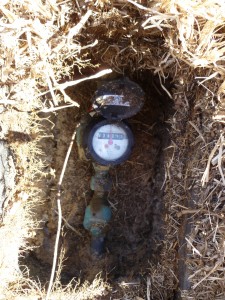 A simple way to determine if a significant supply leak exists in a home supplied by 'city water' is to check the meter, which is usually located in the ground near the street, covered with a plastic lid. The meter may be overgrown with grass and difficult to locate because many municipalities read meters electronically.
After ceasing all water use within the home, examine the meter. Often, but not always, a small indicator spins relatively rapidly when water is flowing through the meter. No indicator movement generally indicates no significant supply leaks within the home. Examining the meter after turning the water back on gives an indication of the indicator speed - water flow relationship.
The interior manifestation of a plumbing leak beneath the slab may not be located directly above the actual leak. This is affected by several factors above and below the slab, which may include the type and distribution of soil beneath the slab, gaps and laps of a plastic vapor retarder beneath the slab, crack width and location in the slab, finish flooring above the slab, and the amount of water leaking. A color dye test is sometimes useful in determining leak locations.
A simple way to determine if a significant supply leak exists in a home supplied by 'city water' is to check the meter, which is usually located in the ground near the street, covered with a plastic lid. The meter may be overgrown with grass and difficult to locate because many municipalities read meters electronically.
After ceasing all water use within the home, examine the meter. Often, but not always, a small indicator spins relatively rapidly when water is flowing through the meter. No indicator movement generally indicates no significant supply leaks within the home. Examining the meter after turning the water back on gives an indication of the indicator speed - water flow relationship.
The interior manifestation of a plumbing leak beneath the slab may not be located directly above the actual leak. This is affected by several factors above and below the slab, which may include the type and distribution of soil beneath the slab, gaps and laps of a plastic vapor retarder beneath the slab, crack width and location in the slab, finish flooring above the slab, and the amount of water leaking. A color dye test is sometimes useful in determining leak locations.
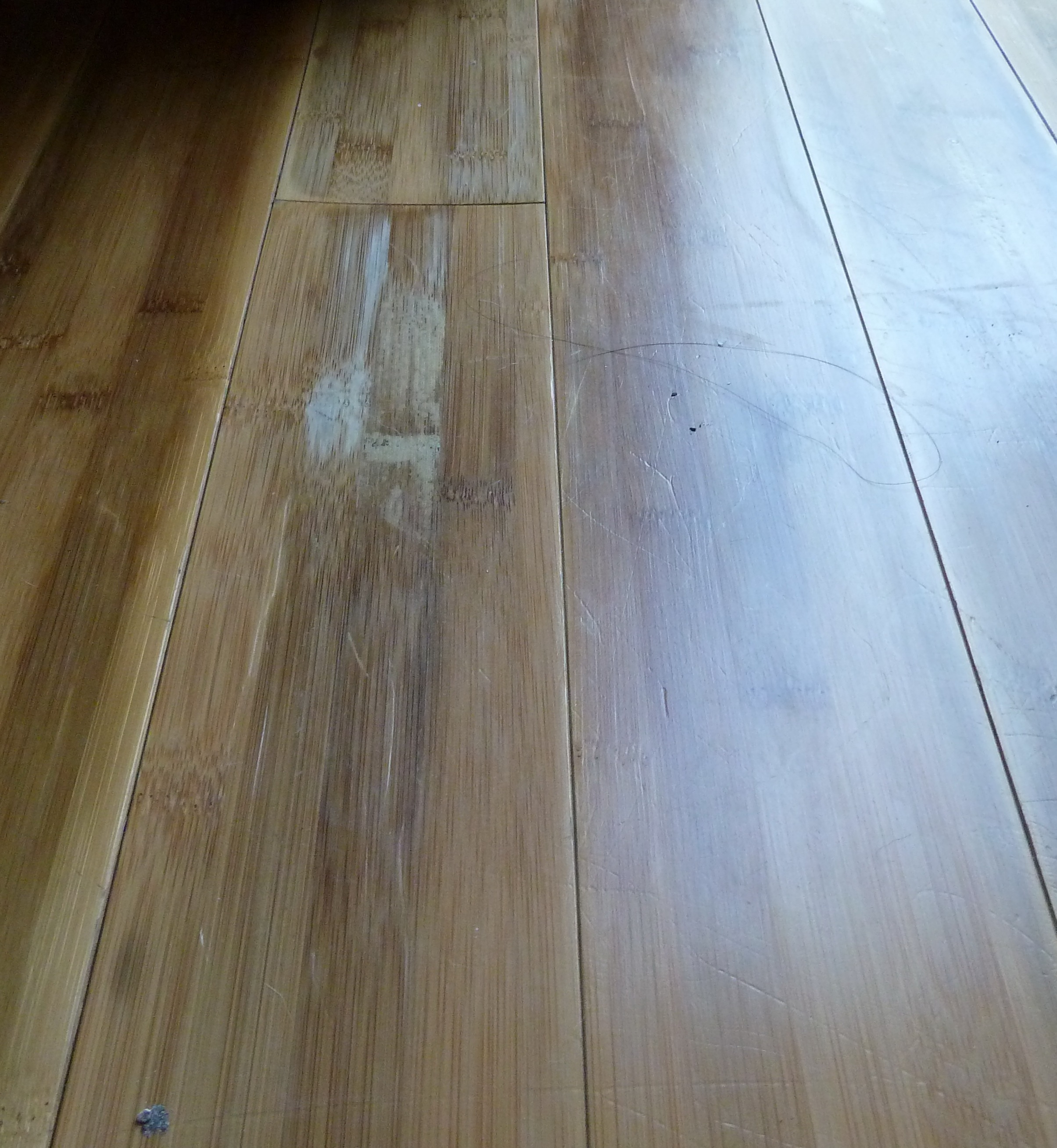 A common cause of damage to wood flooring in Florida homes with a concrete slabs on grade is vapor drive (or diffusion). Water vapor moves from areas of higher temperature and vapor pressure towards areas of lower temperature and vapor pressure. Vapor drive is the diffusion of moisture from the soil beneath the slab through the concrete slab in the form of a gas or vapor. If unimpeded, this vapor is dispersed to the interior atmosphere. However, a polyurethane finish (common with modern wood floors) and impermeable mats on the floor's surface act as vapor retarders which trap moisture in the wood sometimes resulting in stains or warping.
Vapor retarders are sometimes placed between the slab and the wood flooring to prevent moisture vapor from reaching the wood. In addition, the current FBC requires that a vapor retarder be placed beneath a concrete slab on grade prior to concrete placement. However, this was not always provided in older homes. In addition, breaks in the vapor retarder, such as at laps, slab edges and around plumbing penetrations, etc. may allow moisture to reach the slab.
Many wood flooring manufacturers require that concrete slabs be tested for moisture vapor transmission rates to determine whether or not the slab is suitable for their flooring. Some manufacturers state in writing that all concrete slabs to receive their flooring should have a minimum 6 mil poly film between the ground and the concrete. This is consistent with current FBC requirements mentioned above.
VINYL AND CARPET FLOORING OVER A CONCRETE SLAB ON GRADE
Vapor drive through slabs covered with vinyl (linoleum) flooring is restricted by the vinyl itself, which acts as a vapor retarder. While vinyl is not generally susceptible to moisture damage, the adhesive used to secure it to the slab may be adversely affected by moisture. This is particularly true in older or latex based adhesives, which are often more susceptible to the wet alkaline environment expected under such conditions.
Carpeting may also be affected by vapor drive, particularly when an impermeable mat (such as in front of a door or beneath a chair) is placed over it. Over time, moisture from vapor drive through the slab builds in the carpet beneath the mat. When the mat is removed, the previously covered carpet may be damp and emit an odor.
GROUNDWATER SEEPAGE AT EXTERIOR WALL
Groundwater seepage into the interior of a home is not uncommon in Florida's environment. The water path may be the interface between the top of a footing/slab and the bottom of the exterior wall. A sketch of CMU over monofooting construction may be found here. Groundwater seepage usually manifests itself near perimeter exterior walls as stains at the lower wall or baseboard, wet carpet, stains or warping of wood flooring, water on the floor itself, or a combination of these.
A common cause of damage to wood flooring in Florida homes with a concrete slabs on grade is vapor drive (or diffusion). Water vapor moves from areas of higher temperature and vapor pressure towards areas of lower temperature and vapor pressure. Vapor drive is the diffusion of moisture from the soil beneath the slab through the concrete slab in the form of a gas or vapor. If unimpeded, this vapor is dispersed to the interior atmosphere. However, a polyurethane finish (common with modern wood floors) and impermeable mats on the floor's surface act as vapor retarders which trap moisture in the wood sometimes resulting in stains or warping.
Vapor retarders are sometimes placed between the slab and the wood flooring to prevent moisture vapor from reaching the wood. In addition, the current FBC requires that a vapor retarder be placed beneath a concrete slab on grade prior to concrete placement. However, this was not always provided in older homes. In addition, breaks in the vapor retarder, such as at laps, slab edges and around plumbing penetrations, etc. may allow moisture to reach the slab.
Many wood flooring manufacturers require that concrete slabs be tested for moisture vapor transmission rates to determine whether or not the slab is suitable for their flooring. Some manufacturers state in writing that all concrete slabs to receive their flooring should have a minimum 6 mil poly film between the ground and the concrete. This is consistent with current FBC requirements mentioned above.
VINYL AND CARPET FLOORING OVER A CONCRETE SLAB ON GRADE
Vapor drive through slabs covered with vinyl (linoleum) flooring is restricted by the vinyl itself, which acts as a vapor retarder. While vinyl is not generally susceptible to moisture damage, the adhesive used to secure it to the slab may be adversely affected by moisture. This is particularly true in older or latex based adhesives, which are often more susceptible to the wet alkaline environment expected under such conditions.
Carpeting may also be affected by vapor drive, particularly when an impermeable mat (such as in front of a door or beneath a chair) is placed over it. Over time, moisture from vapor drive through the slab builds in the carpet beneath the mat. When the mat is removed, the previously covered carpet may be damp and emit an odor.
GROUNDWATER SEEPAGE AT EXTERIOR WALL
Groundwater seepage into the interior of a home is not uncommon in Florida's environment. The water path may be the interface between the top of a footing/slab and the bottom of the exterior wall. A sketch of CMU over monofooting construction may be found here. Groundwater seepage usually manifests itself near perimeter exterior walls as stains at the lower wall or baseboard, wet carpet, stains or warping of wood flooring, water on the floor itself, or a combination of these.
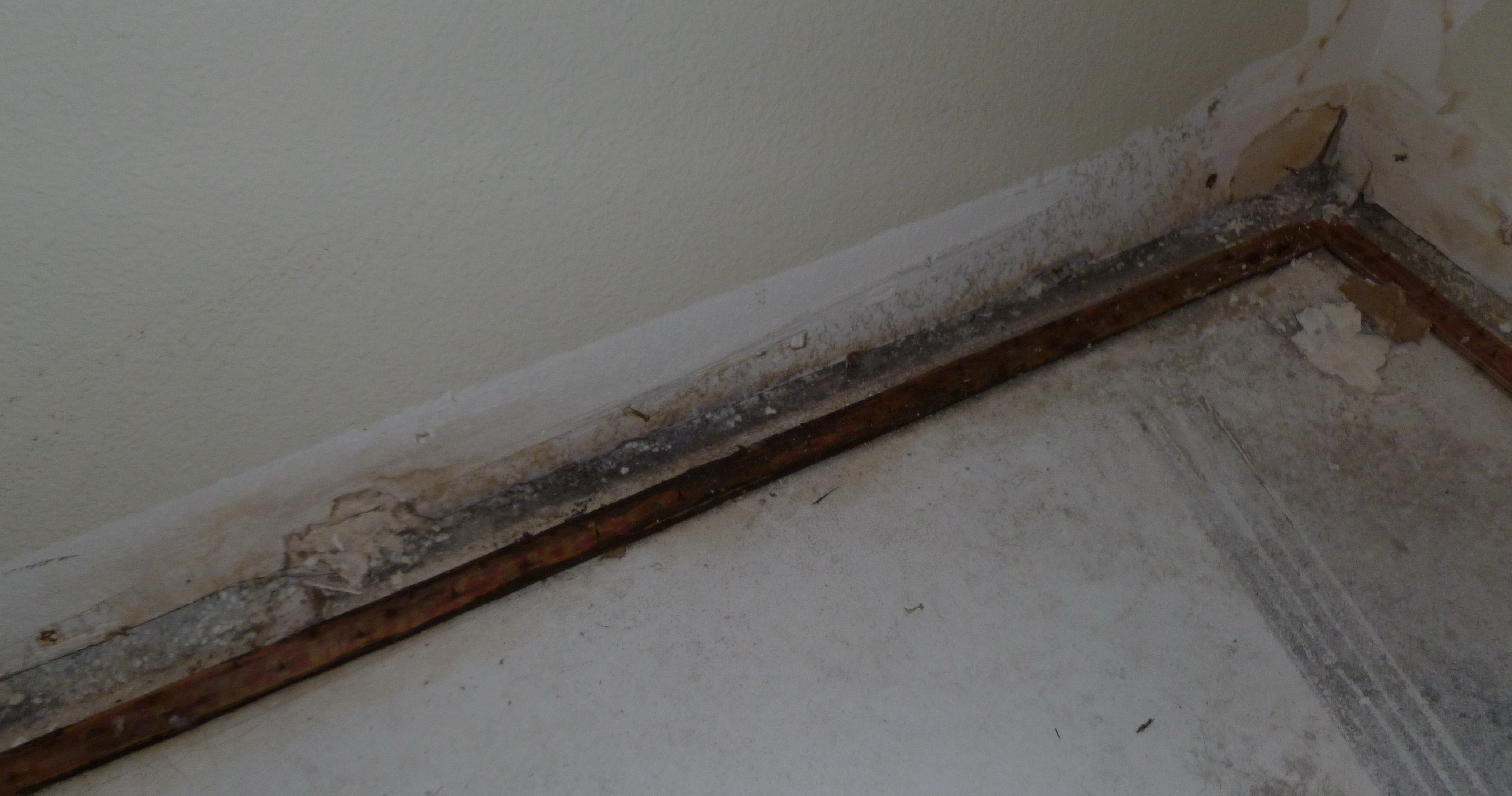 Interior water intrusion around perimeter walls is often related to the height of the exterior soil relative to the interior slab surface. If the soil or planter mulch against the exterior wall is higher than or close to the interior floor surface elevation, groundwater, especially during rainy periods, is more likely to affect the interior. This problem may be exacerbated by an improper slope of the adjacent exterior grade. The FBC, Residential states: "Lots shall be graded so as to drain surface water away from foundation walls." Sprinkler heads directed toward a wall are another common source of moisture intrusion through exterior walls.
PLUMBING PIPE LEAK BELOW SLAB
Plumbing pipes are often installed below a concrete slab prior to concrete placement. Leaks at supply pipes (commonly made from copper and CVPC) may occur for reasons including improper original installation, stresses on the pipe due to slab settlement, corrosion or deterioration, etc. Corroded and leaking copper pipes are more likely to occur when the copper is in direct contact with concrete.
A leaking supply pipe beneath a slab may drain into the surrounding soil and not give indications of its presence, particularly if it is a slow leak. The only indication of the problem may be a higher water bill or a well pump that runs more than normal. In other cases, moisture problems develop at the interior floor, and may include wet carpet, stained or warped wood, etc.
Interior water intrusion around perimeter walls is often related to the height of the exterior soil relative to the interior slab surface. If the soil or planter mulch against the exterior wall is higher than or close to the interior floor surface elevation, groundwater, especially during rainy periods, is more likely to affect the interior. This problem may be exacerbated by an improper slope of the adjacent exterior grade. The FBC, Residential states: "Lots shall be graded so as to drain surface water away from foundation walls." Sprinkler heads directed toward a wall are another common source of moisture intrusion through exterior walls.
PLUMBING PIPE LEAK BELOW SLAB
Plumbing pipes are often installed below a concrete slab prior to concrete placement. Leaks at supply pipes (commonly made from copper and CVPC) may occur for reasons including improper original installation, stresses on the pipe due to slab settlement, corrosion or deterioration, etc. Corroded and leaking copper pipes are more likely to occur when the copper is in direct contact with concrete.
A leaking supply pipe beneath a slab may drain into the surrounding soil and not give indications of its presence, particularly if it is a slow leak. The only indication of the problem may be a higher water bill or a well pump that runs more than normal. In other cases, moisture problems develop at the interior floor, and may include wet carpet, stained or warped wood, etc.
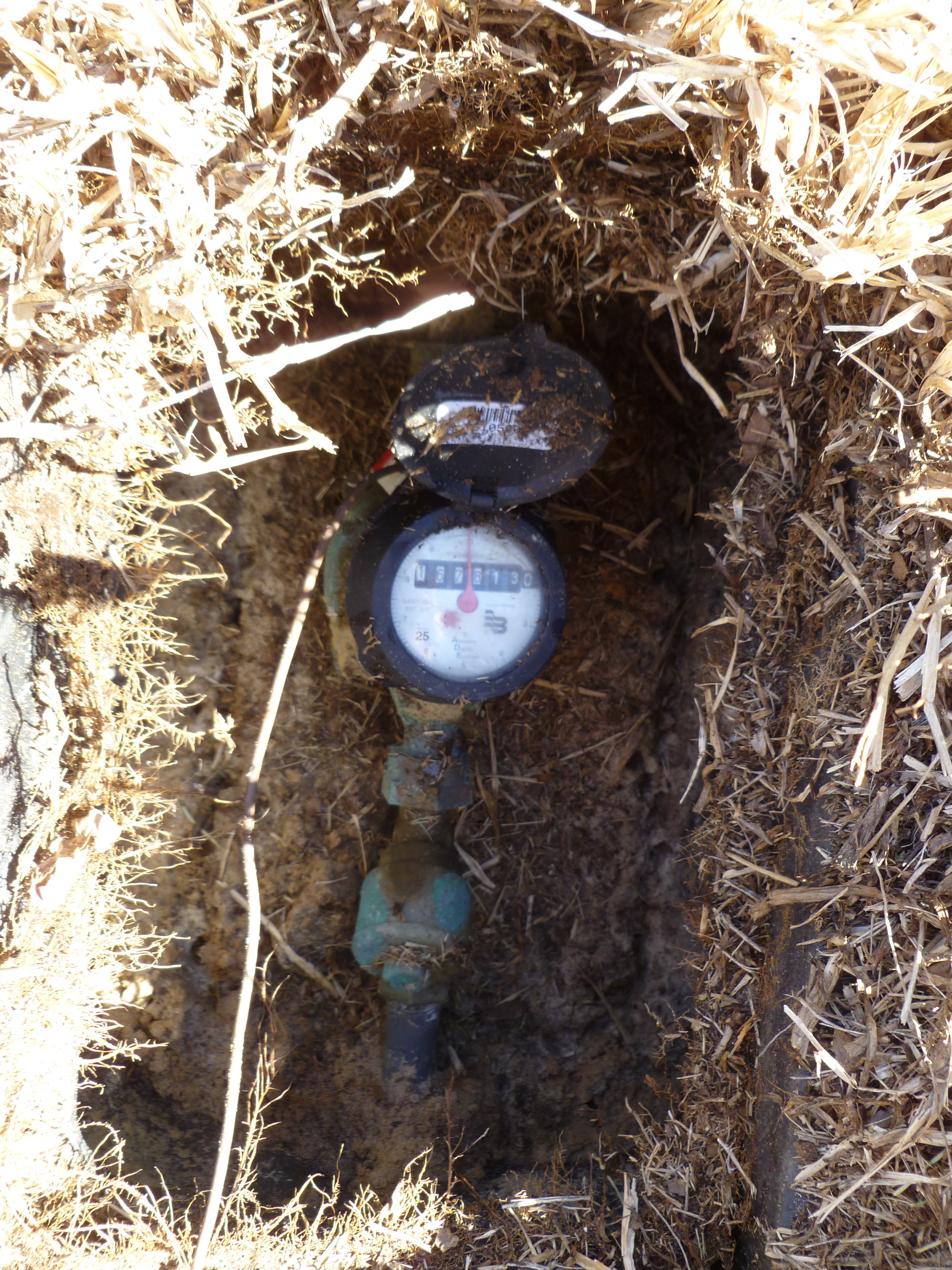 A simple way to determine if a significant supply leak exists in a home supplied by 'city water' is to check the meter, which is usually located in the ground near the street, covered with a plastic lid. The meter may be overgrown with grass and difficult to locate because many municipalities read meters electronically.
After ceasing all water use within the home, examine the meter. Often, but not always, a small indicator spins relatively rapidly when water is flowing through the meter. No indicator movement generally indicates no significant supply leaks within the home. Examining the meter after turning the water back on gives an indication of the indicator speed - water flow relationship.
The interior manifestation of a plumbing leak beneath the slab may not be located directly above the actual leak. This is affected by several factors above and below the slab, which may include the type and distribution of soil beneath the slab, gaps and laps of a plastic vapor retarder beneath the slab, crack width and location in the slab, finish flooring above the slab, and the amount of water leaking. A color dye test is sometimes useful in determining leak locations.
A simple way to determine if a significant supply leak exists in a home supplied by 'city water' is to check the meter, which is usually located in the ground near the street, covered with a plastic lid. The meter may be overgrown with grass and difficult to locate because many municipalities read meters electronically.
After ceasing all water use within the home, examine the meter. Often, but not always, a small indicator spins relatively rapidly when water is flowing through the meter. No indicator movement generally indicates no significant supply leaks within the home. Examining the meter after turning the water back on gives an indication of the indicator speed - water flow relationship.
The interior manifestation of a plumbing leak beneath the slab may not be located directly above the actual leak. This is affected by several factors above and below the slab, which may include the type and distribution of soil beneath the slab, gaps and laps of a plastic vapor retarder beneath the slab, crack width and location in the slab, finish flooring above the slab, and the amount of water leaking. A color dye test is sometimes useful in determining leak locations.